Table of contents
Streetwear has become a global phenomenon, influencing fashion movements and everyday wardrobes alike. While bold graphics and innovative silhouettes often steal the spotlight, it is the choice of fabric that truly sets the tone for streetwear’s unique identity. Explore how different materials and textures not only shape comfort and durability but also define the aesthetic codes that make streetwear so distinctive—discover why fabric selection is at the core of every memorable urban look in the paragraphs that follow.
The role of texture in streetwear
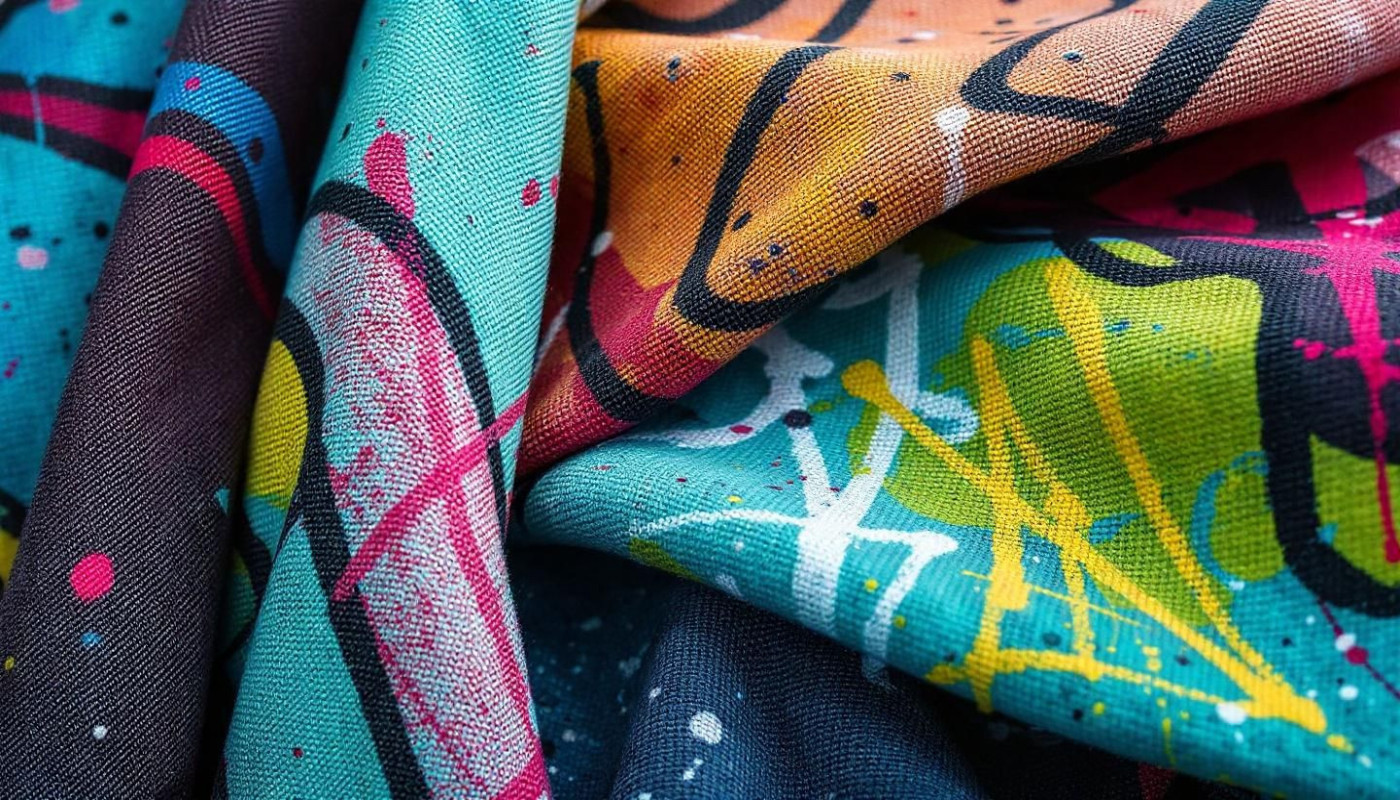
Streetwear texture plays a defining part in shaping both the visual appeal and tactile experience that make urban fashion so distinctive. The careful selection and combination of rough, coarse, and smooth surfaces bring dimension to garments, allowing designers to utilize layering techniques that both functionally and aesthetically set pieces apart. Fabrics with pronounced grain, nubby finishes, or crispness can draw the eye and convey a rugged, utilitarian vibe, while sleeker, softer textiles emphasize refined minimalism, resulting in a unique streetwear texture that is instantly recognizable. This interplay between different surfaces invites a richer hand-feel, encouraging wearers to appreciate the physical qualities of their clothing as much as the visual ones.
Mastering texture is a distinguishing skill in urban fashion, offering a language of contrast and harmony that expresses both individuality and authenticity. When layering garments with varied hand-feel and surface qualities—such as pairing a structured denim jacket over a slinky mesh top—the effect is not only visually compelling but also signals personal taste and confidence. In this sphere, texture becomes a tool for challenging conventions, enabling wearers to blend softness with edge or juxtapose luxury with streetwise sensibility. By carefully choosing and combining textures, designers and consumers alike communicate a nuanced identity, moving far beyond mere logo placement or graphic design.
Understanding texture’s influence extends beyond appearance to the emotional connections forged through tactile experience. The sensation of a plush fleece hoodie or the resilience of heavyweight canvas can evoke comfort, nostalgia, or empowerment, deepening the bond between individual and garment. This sensory aspect of streetwear texture is central to the culture’s ongoing evolution, as it invites experimentation with layering and fabric innovation. The thoughtful orchestration of texture in streetwear not only amplifies the collection’s visual appeal but also reinforces the authenticity that urban fashion enthusiasts demand, making it an indispensable consideration for anyone seeking to create or curate compelling street-inspired looks.
Functionality and performance fabrics
Performance fabrics have revolutionized streetwear by seamlessly blending comfort, flexibility, and weather resistance, directly addressing the dynamic needs of the urban lifestyle. These technical fabrics, often engineered with advanced moisture-wicking properties, ensure that wearers remain dry and comfortable during unpredictable city weather or active daily commutes. The adaptability of such materials allows for unrestricted movement, a key feature for those who value both utility and style in their clothing choices. Notably, innovations like stretchable synthetic blends and breathable laminates are tailored for high performance, allowing garments to support the physical demands of street culture without compromising on aesthetics.
The integration of performance fabrics into streetwear collections has elevated the functionality of everyday garments, establishing a new standard where practicality meets visual appeal. Designers leverage technical fabrics to produce items that resist wind, repel water, and offer superior durability, catering to urbanites who require their attire to withstand the rigors of city life. Performance fabrics provide the comfort essential for long hours on the move, while their flexibility supports various activities, from skateboarding to spontaneous urban exploration. As a result, technical fabrics have become a hallmark of forward-thinking streetwear, ensuring that style-conscious consumers don’t have to choose between looking good and feeling good throughout their busy lives.
Sustainability in fabric selection
Sustainable streetwear has rapidly emerged as a driving force in the evolution of modern fashion, with eco-friendly fabrics and recycled materials reshaping how brands and consumers approach style. The use of green textiles, such as organic cotton, hemp, and repurposed polyester, not only reduces water and energy consumption but also lessens the environmental impact created by conventional textile manufacturing. Streetwear labels are now investing in closed-loop systems and innovative dyeing techniques to minimize resource usage and toxic waste, demonstrating a commitment to ethical production standards that resonates with environmentally conscious audiences.
Growing consumer demand for sustainability has encouraged brands to prioritize transparency and traceability throughout their supply chains. Shoppers increasingly seek assurance that their clothing supports responsible sourcing and minimal ecological harm, influencing purchasing decisions and driving industry change. In response, many streetwear collections now highlight certifications and detailed information about fabric origins, with organic cotton frequently featured as a symbol of quality and reduced environmental impact. This shift not only enhances brand credibility but also aligns with the values of a new generation that values both style and social responsibility.
Innovation in green textiles continues to push the boundaries of what sustainable streetwear can achieve, with designers experimenting with biodegradable fibers, waterless washing, and upcycled components to refine both aesthetics and functionality. As illustrated by leading Japanese streetwear brands, which are often published here, these advancements forge a unique blend of tradition, urban influence, and environmental stewardship. The embrace of eco-friendly practices in the streetwear sector is shaping trends globally, proving that ethical fashion can be synonymous with cutting-edge design and self-expression.
Color retention and dye techniques
Fabric types play a decisive role in color retention, especially in the dynamic world of streetwear where vibrant colors are a hallmark of distinctive style. Natural fibers such as cotton and cellulosic blends are particularly receptive to advanced dye techniques like reactive dyeing, which creates strong covalent bonds between dye molecules and fibers, leading to enhanced streetwear durability and minimized fading. Synthetic materials, including polyester and nylon, often require disperse dyes and heat-setting processes to lock in vibrant colors, but these can sometimes fall short in everyday wear due to weaker dye-fiber interactions.
Challenges in maintaining long-lasting color intensity arise from frequent washing, exposure to UV light, and mechanical abrasion, all typical in streetwear usage. Leading textile color science research recommends pre-treating fabrics and using high-quality dye auxiliaries to improve colorfastness and extend garment lifespan. Reactive dyeing remains a technical benchmark for achieving deep, vivid hues in natural fibers, ensuring that streetwear pieces retain their intended aesthetic impact over time. Selecting the optimal combination of fabric types and innovative dye techniques is fundamental for designers aiming to produce streetwear collections that stand out through enduring, eye-catching color.
Comfort and movement in urban wear
Streetwear design prioritizes comfort and movement, making fabric selection a key factor in creating garments suited for dynamic urban environments. Stretch fabrics, particularly those engineered with mechanical stretch, enable greater freedom of motion without relying solely on elastic fibers. Mechanical stretch is achieved through weaving or knitting techniques that provide give and flexibility, a feature that allows wearers to navigate city life with ease. Breathability is another defining quality, as fabrics that allow air circulation help regulate body temperature during active pursuits, reducing discomfort from sweat or overheating. Softness remains a vital consideration, as gentle-to-the-touch textiles prevent irritation and contribute to overall sensory comfort. Designers often blend these characteristics, choosing materials like cotton blends, performance synthetics, or brushed knits to balance durability with ergonomic needs. The sum effect is streetwear that not only looks urban and on-trend but also supports the wearer’s comfort and movement throughout the day.
On the same subject

Exploring The Timeless Appeal Of Bohemian Dresses In Modern Fashion

Exploring The Impact Of Hip-hop Culture On The Popularity And Design Of Urban-style Jeans

The Retro Revival: Exploring The Comeback Of Parachute Pants In 2023 Fashion Trends

The Evolution Of Rasta Fashion: From Rebellion To Mainstream

Mixing And Matching: How To Style Cow Print Slippers With Your Everyday Wardrobe

What are the different styles of clothing in fashion today ?
